Most budgets fail for the same reason diets fail: they are too strict, too complicated, and built for someone else’s life. You track every coffee for two weeks, feel guilty, and quietly give up. The 50/30/20 rule fixes this by keeping budgeting radically simple.
There is a simpler way. The 50/30/20 rule is a budgeting method that takes about ten minutes to set up and survives real life — because it does not ask you to be perfect. Here is how it works and how to make it fit your income.

What Is the 50/30/20 Rule?
The 50/30/20 rule divides your after-tax income (what actually lands in your bank account) into three buckets.
- 50% — Needs: things you cannot live without
- 30% — Wants: things that make life enjoyable
- 20% — Savings and debt repayment: your future self’s share
That is the whole 50/30/20 rule method. No spreadsheets with forty categories, no guilt over a $4 coffee.
The rule was popularized by Senator Elizabeth Warren and her daughter in their book All Your Worth, and it has survived this long because of one quality: it is forgiving. If your “needs” hit 55% one month, you know exactly what to adjust.
What Counts as a Need vs. a Want?
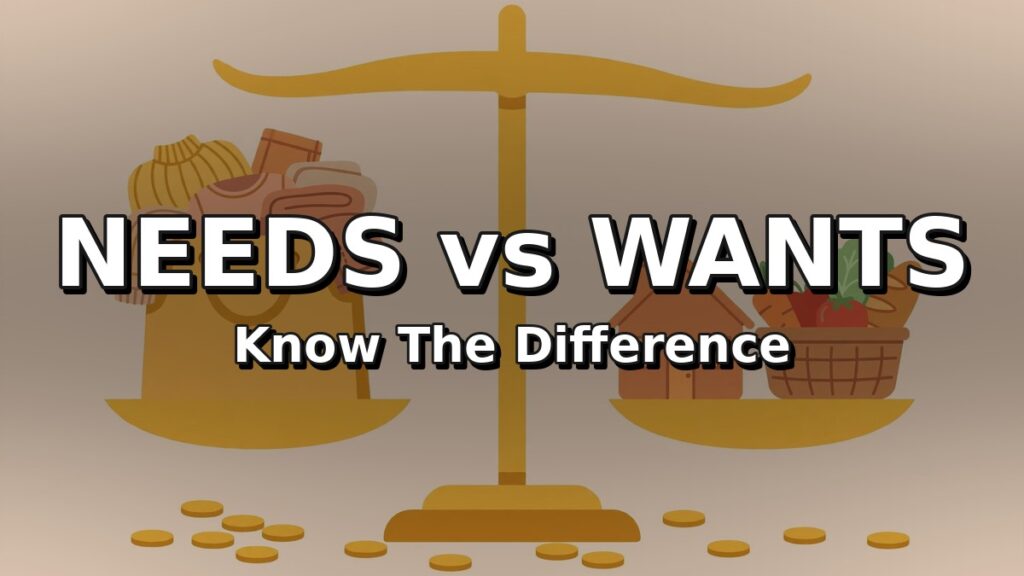
This is where most people get tripped up, so let us be honest about it.
Needs (50%) are the basics required to live and work:
- Rent or mortgage payment
- Utilities (electricity, water, gas, internet — yes, internet counts in 2026)
- Groceries (not restaurants — actual groceries)
- Minimum debt payments
- Insurance premiums
- Transportation to work (car payment, fuel, or transit pass)
- Childcare
Wants (30%) are everything else you choose to spend on:
- Restaurants, takeout, and coffee shops
- Streaming subscriptions and entertainment
- Shopping, hobbies, gym memberships
- Travel and vacations
- Gifts
A phone plan is a need. The latest flagship phone on a financing plan is a want. Be honest with yourself here — the rule only works if the buckets reflect reality.
Savings and debt repayment (20%) includes:
- Emergency fund contributions
- Retirement savings
- Extra payments on debt (beyond the minimums)
- Investing
How to Set Up the 50/30/20 Rule: A Worked Example
Let us say your take-home pay is $3,000 per month. (In the UK, the same math works on £2,400 — the percentages do not care about currency.)
| Bucket | Percentage | Amount |
|---|---|---|
| Needs | 50% | $1,500 |
| Wants | 30% | $900 |
| Savings & debt | 20% | $600 |
Step 1: Write down your take-home pay. Use the actual number that hits your account, after taxes. If your income varies month to month (freelancers, gig workers), use the average of your last three months — or better, budget on your lowest recent month and treat anything above it as a bonus for savings.
Step 2: List your needs and add them up. Be thorough. That annual car insurance bill? Divide it by 12 and include it monthly, or it will ambush you in December.
Step 3: Check the math. If your needs total $1,700 instead of $1,500, do not panic — adjust. Maybe you trim $100 from wants and put $100 less toward savings temporarily. The rule is a starting point, not a court order.
Step 4: Automate the 20%. This is the step that makes the whole thing work. Set up an automatic transfer to your savings account on payday — before you can spend it. Money you never see, you never miss.
Step 5: Review once a month. Spend fifteen minutes checking whether your actual spending matched your 50/30/20 rule buckets. Adjust, do not punish yourself.
“But My Needs Are Already Over 50%”
This is the most common objection, and it is legitimate. If you live in London, New York, or San Francisco, rent alone can eat 50% of your income.
Three honest options:
- Adjust the ratios. Try 60/20/20 or even 70/20/10 temporarily. A budget you can follow beats a “perfect” one you abandon.
- Attack the biggest need. Housing is almost always the lever. A cheaper apartment, a roommate, or moving slightly farther out saves more than a hundred skipped coffees.
- Grow the income side. The rule assumes a livable income. If yours is not livable, the fix is earning more — a side hustle, a raise, or new skills — not budgeting harder. (We cover side hustles in the Make Money Online section of this site.)
What you should not do: squeeze savings to zero “just for now.” Zero savings means the next car repair goes on a credit card at 24% interest, and now you have a bigger problem.
5 50/30/20 Rule Mistakes That Kill Most Budgets
1. Budgeting gross income instead of take-home. Your employer, the tax office, and your pension take their cut first. Budget only what reaches you.
2. Forgetting irregular expenses. Car insurance, holiday gifts, annual subscriptions, medical bills. List every expense that is not monthly, divide by 12, and set that amount aside each month in a separate “sinking fund.”
3. Making the wants bucket zero. A budget with no room for fun is a budget you will quit. The 50/30/20 rule reserves that 30% for a reason — planned enjoyment is not a failure, it is the design.
4. Tracking without automating. Tracking apps are useful for diagnosis, but automation is the cure. Automate savings and bill payments; track only the wants bucket if you must track anything.
5. Giving up after one bad month. One bad month is data, not a verdict. Look at what broke the budget, adjust, and continue. The people who succeed at budgeting are not the ones who never slip — they are the ones who restart.
Simple Tools to Make the 50/30/20 Rule Easier
You do not need fancy software. Pick the lightest tool you will actually use:
- A notes app and a monthly alarm — free, and enough for most people.
- A budgeting app (like YNAB, Mint alternatives, or your bank’s built-in tools) if you want automatic categorization.
- Separate bank accounts — one for bills, one for spending, one for savings. This is the single most effective trick for people who overspend: when the spending account is empty, you stop.
If spreadsheets make you happy, a simple three-column sheet works fine. If they make you miserable, skip them — the method matters less than the consistency.
Quick Answers to Common 50/30/20 Rule Questions
Does the 50/30/20 rule work on a low income?
It works as a framework, but the ratios may need to shift. On a low income, needs often take 60-70%. That is fine — apply the principle (prioritize savings, even a small amount) rather than the exact numbers.
Should debt repayment count as savings?
Yes — paying down high-interest debt is one of the best “investments” you can make, because it earns you the interest rate you are no longer paying. Once high-interest debt is gone, redirect that 20% to actual savings and investing.
What about irregular income?
Budget on your baseline month. In good months, the extra goes straight to savings or debt — decide this rule before the good month arrives, not during it.
Your 10-Minute 50/30/20 Rule Action Plan
- Check your last payslip — write down your take-home pay.
- Multiply by 0.5, 0.3, and 0.2 — those are your three budgets.
- List your fixed needs and see where you stand.
- Set up one automatic transfer to savings for payday.
- Put a monthly 15-minute review on your calendar.
That is it. You now have a budget that fits on an index card and survives contact with real life. For free budgeting guidance, MoneyHelper offers impartial tools and calculators.
Keep Reading on Asmat Magazine:
- Emergency Fund: How Much Do You Really Need in 2026?
- 10 Simple Ways to Save Money on a Low Income
- How to Get Out of Debt: Snowball vs Avalanche Method (2026)
Disclaimer: This article is for educational purposes only and is not financial advice. Everyone’s situation is different — consider speaking with a qualified financial advisor before making major financial decisions.