
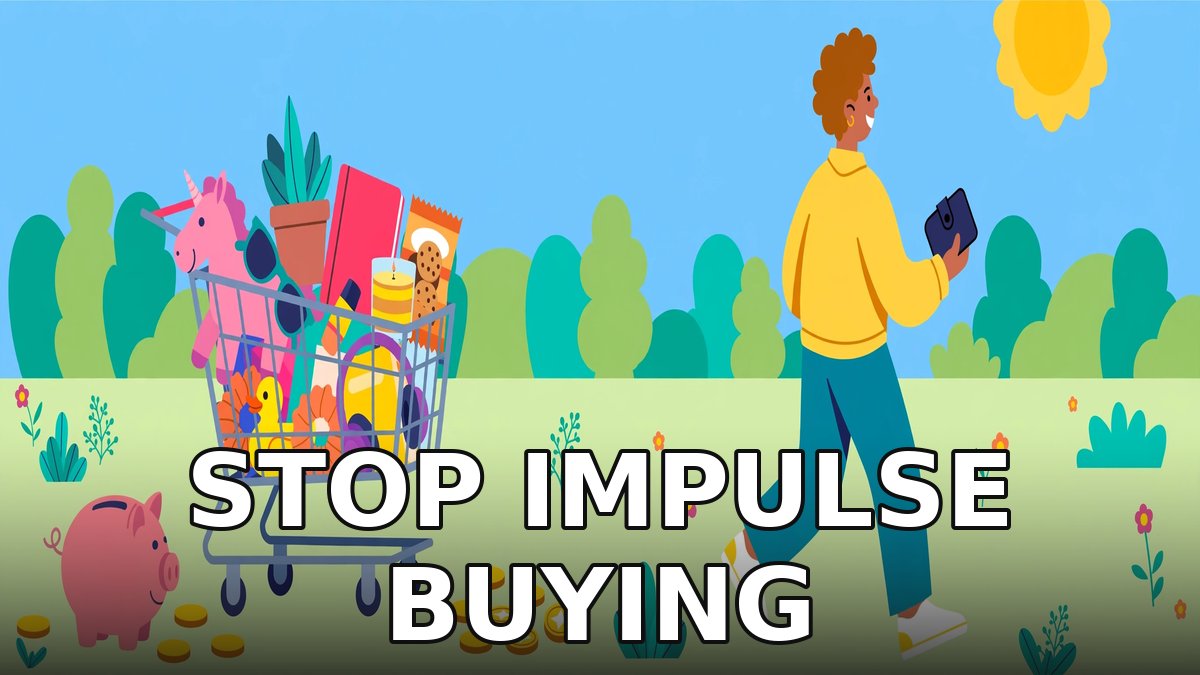
You went in for one thing and came out with five. If that sounds familiar, you are not bad with money — you are up against a system designed to make you buy before you think. Learning how to stop impulse buying is not about willpower or giving up everything fun. It is about slowing down the moment between “I want it” and “I bought it,” and building small barriers that give your calmer self time to catch up. This guide gives you twelve practical tricks that work in real life, in stores and online.

Why Impulse Buying Happens
Impulse buying happens because shopping feels good in the moment. A sale, a limited-time offer, or a new discovery gives your brain a quick hit of excitement — and that excitement fades fast, usually right after you pay.
Emotions make it stronger. Stress, boredom, or a bad day can trigger the urge to buy something, anything, to feel better quickly. Social media adds fuel: when everyone seems to own the same gadget or outfit, not buying can feel like missing out. None of this means you lack discipline. It means your environment is doing a lot of the deciding for you — and changing the environment is far easier than changing your personality. Most impulse buys are not decisions you would defend a week later: given a little time and distance, most urges fade. Every trick below works by creating that time, that distance, or that small moment of honesty before you pay.
How to Stop Impulse Buying With the 72-Hour Rule
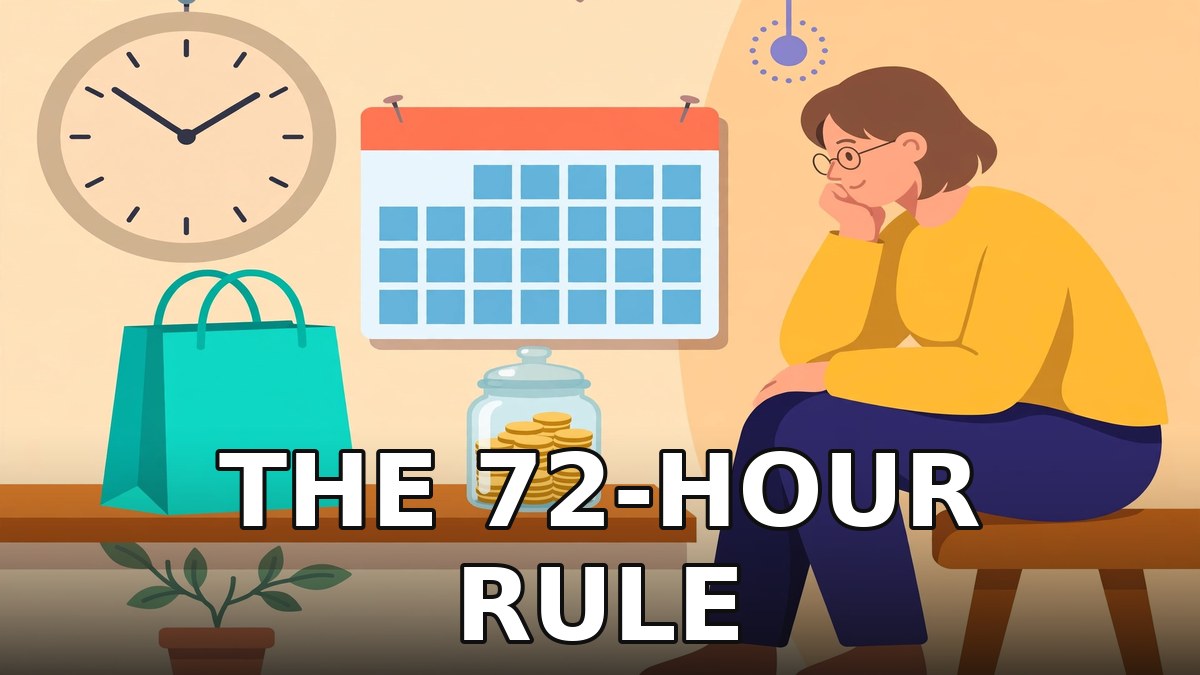
The single most effective trick for how to stop impulse buying is also the simplest: wait 72 hours before buying anything you did not plan to buy.
Here is how it works:
- When you want something unplanned, do not buy it — write it down. Keep a “want list” on your phone: the item, its price, and the date you first wanted it.
- Wait a full 72 hours. No exceptions for sales, because sales come around again — and a sale on something you do not need is still money out.
- After 72 hours, ask three questions: Do I still want it? Can I afford it without cutting something important? Will I still be glad I bought it in a month?
- If the answer to all three is yes, buy it guilt-free. If any answer is no, delete it from the list and enjoy the money you kept.
Why 72 hours and not 24? A day is often not enough for the excitement to wear off, especially for bigger purchases. Three days lets you sleep on it, check your budget, and compare prices calmly. For purchases over $100, stretch the wait to 30 days.
A want list has a bonus benefit: it turns vague wanting into a clear record. After a month, look back at what you deleted — most people are shocked at how much they saved by simply waiting, and how little they miss the things they skipped.
Make Your Money Harder to Spend
Willpower is unreliable, but friction is dependable. If buying takes effort, you buy less — so make spending slightly harder on purpose:
- Delete saved cards from shopping apps and browsers. Typing in your card number by hand gives you a natural pause, and that pause kills many impulse buys outright.
- Turn off one-click buying and buy-now-pay-later options. One-click checkout removes the only moment you might reconsider. Pay-later plans make expensive items feel cheap by splitting the pain — avoid them for unplanned purchases.
- Unsubscribe from promotional emails and unfollow shopping accounts. Every sale alert is a manufactured urge. You cannot miss a deal you never saw.
- Remove shopping apps from your phone’s home screen — or delete apps for stores where you overspend most, and shop only on a computer.
- Use a separate account for fun spending. Move a fixed “fun money” amount to a separate account or card each payday, and let unplanned purchases come only from that pot. When it is empty, the answer is no until next payday — no guilt, no arguments with yourself.
Stop Impulse Buying in Stores and Online
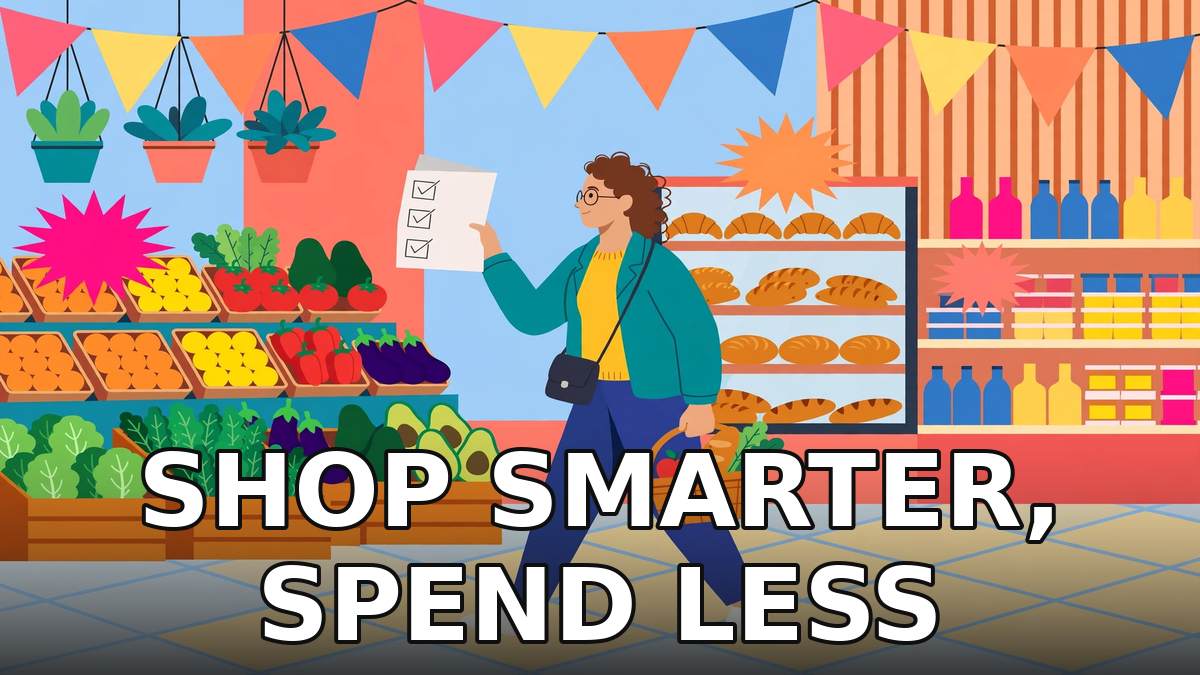
Stores and websites use different traps, so you need different defenses for each. ConsumerAffairs’ look at how retailers encourage impulse buys shows how countdown timers, checkout displays, and free-shipping thresholds are designed to rush you — slowing down is your best defense.
In stores:
- Never shop hungry, tired, or upset. All three weaken your resistance to “just one more thing.” Eat first, shop with a list, and leave when the list is done.
- Shop with a list and a basket, not a cart, when you can. A basket physically limits how much you can carry, and a list gives you a clear finish line.
- Skip the checkout aisle extras. Those snacks, gadgets, and gift cards at the till are placed there because tired shoppers grab them. Look away, pay, and leave.
- Do a final cart check before paying. Ask of each unplanned item: was this on my list? If not, put it back. Returning one item feels awkward for three seconds; paying for it lasts until the next statement.
Online:
- Use a cart, not a checkout. Add tempting items to your cart or wishlist, then close the tab. After your 72-hour wait, most will not seem worth it.
- Watch out for free-shipping traps. Adding a $20 item you do not want to “save” $7 on shipping costs you $13 extra. Buy only what you planned, or wait until you genuinely need more.
- Compare the total, not the discount. A “50% off” label tells you nothing about whether you need the item or whether the original price was real. Ask: would I buy this at full price, and do I need it this month?
- Set a rule for sale events. Big sale days are engineered to create urgency. Decide your sale budget in advance, buy only from your want list, and log out when the budget is spent.
If you are rebuilding your wider budget, our guide to how to create a budget that actually works shows where impulse-buying savings fit alongside rent, groceries, and bills.
Give Yourself Fun Money (So You Don’t Rebel)
A budget with zero fun in it will fail, because sooner or later you will rebel against it — usually with a big impulse spree. The fix is to plan for fun deliberately.
Set aside a small, fixed amount each month for guilt-free spending: coffee with friends, a book, a small treat — whatever you enjoy. Spend it however you like, with no tracking and no guilt. The only rule is the limit. When people allow themselves planned fun, unplanned spending usually drops, because the feeling of deprivation that drives impulse buying is gone.
What to Do When You Slip Up
You will slip up. Everyone does, and one impulse buy does not ruin a budget — but the guilt spiral after it can. The pattern is familiar: you overspend, feel bad, decide the budget is already ruined, and keep spending. Break the pattern instead:
- Return it if you can. Many impulse buys can be returned within days or weeks. A quick return turns a mistake into a lesson, not a loss.
- Find the trigger. Were you bored, stressed, or scrolling late at night? Fixing the trigger — a walk instead of scrolling, a hobby instead of shopping — prevents the next slip better than any punishment.
- Adjust, don’t abandon. If you keep slipping in one category, your budget may be too tight there, or your friction too low. Change one thing — a higher fun-money amount, a deleted app — and try again.
Progress with impulse buying is measured in months, not days. If you cut your unplanned spending in half, that is a real win, even if it is not zero.
Impulse Buying Q&A
How much money can I save by stopping impulse buying?
It varies, but many households find $50 to $150 a month in unplanned purchases once they start tracking them — $600 to $1,800 a year. Even cutting impulse buys in half frees meaningful money for savings or debt payoff.
Is the 72-hour rule enough for big purchases?
For everyday items, yes. For anything over $100, use a 30-day wait instead — bigger purchases deserve a longer cooling-off period, and you can use the time to compare prices.
What if I genuinely need something right away?
The 72-hour rule is for unplanned wants, not real needs. If something breaks and you must replace it — a phone charger, work shoes, medicine — buy it. The rule exists to catch wants dressed up as needs, not to delay real ones.
Does deleting shopping apps really help?
Yes, because it adds friction exactly where impulse buying lives: bored scrolling. If buying requires opening a laptop and typing in card details, most urges fade before checkout. Pair it with unsubscribing from sale emails for the biggest effect.
Keep Reading
- How to Create a Budget That Actually Works (The 50/30/20 Rule Explained)
- 10 Simple Ways to Save Money on a Low Income
- How to Save $10,000 in a Year: A Realistic Plan for Beginners (2026 Guide)
- How to Save Money on Subscriptions: Cut Streaming, Apps and Memberships You Don’t Use (2026 Guide)
This article is for educational purposes only and is not financial advice. Prices, plans, and store policies vary by provider and change over time — do your own research and consider speaking with a qualified professional before making financial decisions.