LinkedIn is the most underrated place on the internet to make money. While everyone fights for attention on TikTok and Instagram, LinkedIn quietly connects you with people who have budgets — hiring managers, business owners, and decision-makers who pay for real skills. You do not need to be a CEO or have twenty years of experience. If you know how to make money on LinkedIn in 2026, you can land freelance clients, sell services, find a better job, and even earn directly from your content — all from a profile that costs nothing to create.
This guide explains every way to make money on LinkedIn, what you need to get started, and the exact steps to turn your first post into your first payment.
How LinkedIn Monetization Works in 2026
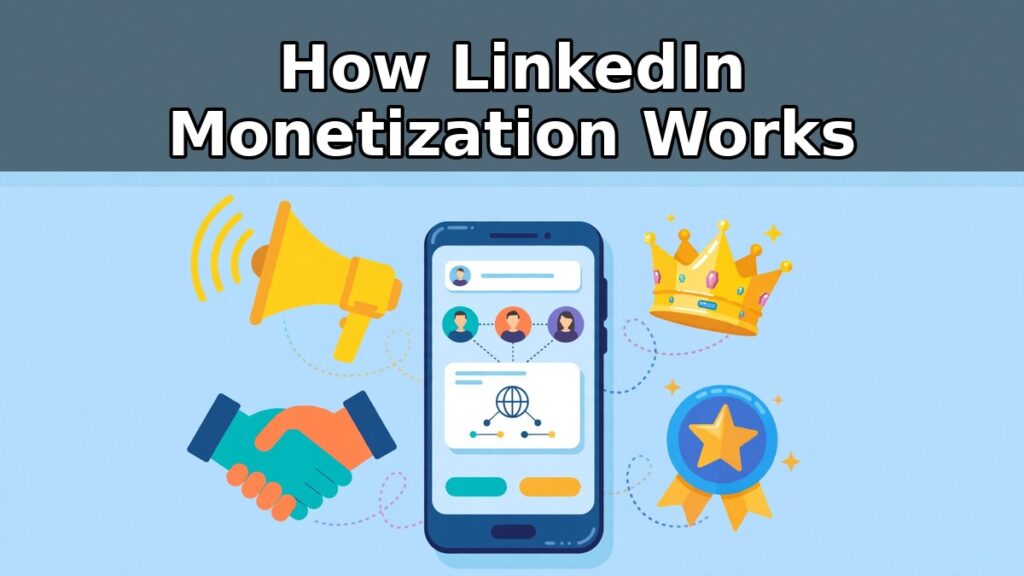
LinkedIn does not pay creators the way YouTube or TikTok do — there is no simple ad-revenue share for views. Instead, LinkedIn makes you money in four main ways, and most earners combine two or three of them. Understanding each one before you start will save you months of posting in the wrong direction.
- Freelance clients and services: This is the biggest way to make money on LinkedIn. Your posts show your skills, and people who need those skills message you directly. A single client found on LinkedIn can pay more than a year of ad revenue on any other platform.
- Creator income and brand deals: LinkedIn pays selected creators through programs such as the Creator Accelerator and brand partnerships, and companies pay creators to post about their tools and services. These deals pay well because LinkedIn audiences are professionals with money to spend.
- Lead generation for your business: If you sell a product, a course, or a service, LinkedIn is one of the best places to find buyers. Every post is a chance to put your offer in front of the exact people who need it.
- Better jobs and promotions: A strong LinkedIn presence gets you interviews, recruiter messages, and job offers that never reach public job boards. A salary jump from a LinkedIn opportunity is real income too — sometimes the biggest income of all.
You also earn indirectly. LinkedIn is one of the best places to send traffic to a newsletter, a portfolio, a digital product, or a freelance service. Many creators earn more from what their LinkedIn audience buys elsewhere than from LinkedIn itself. Our guide to making money on X in 2026 (https://asmatmagzine.site/how-to-make-money-on-x-twitter-2026/) explains a similar playbook on a different platform — the idea is the same: build attention, then turn it into income.
What You Need to Make Money on LinkedIn
LinkedIn has no follower threshold for earning, and that is its biggest advantage for beginners. You can land your first client with 200 connections if those connections are the right people. What you do need is:
- A complete, professional profile: A clear photo, a headline that says who you help and how, a summary that tells your story, and a work history that shows real experience. Your profile is your shop window — people decide in seconds whether to trust you.
- A clear skill or service to sell: Writing, design, bookkeeping, social media, coding, sales, virtual assistance — any skill businesses pay for works. If you are not sure what to sell, start with the skill you already use at work.
- A posting habit: LinkedIn rewards consistency more than perfection. Two to three useful posts a week is enough to stay visible and build trust over time.
- The willingness to talk to people: LinkedIn is a networking platform, not a broadcast channel. Replies, comments, and direct messages are where the money actually comes from.
Unlike other platforms, you do not need to go viral on LinkedIn to earn. A post seen by 500 of the right people can bring more income than a post seen by 50,000 random viewers. That is why beginners do so well here — relevance beats reach. It is one of the fastest ways to make money on LinkedIn as a beginner.
Pick a Niche That Pays on LinkedIn
On LinkedIn, a focused profile earns far more than a general one. People hire and follow specialists, not generalists. Before your first post, pick a niche you can talk about for a year without getting bored. These niches earn well on LinkedIn:
- Business and marketing services: Social media management, content writing, email marketing, and lead generation. Businesses on LinkedIn are actively looking for these services every day.
- Tech and AI tools: Software development, data analysis, automation, and honest reviews of new tools. This niche moves fast, so there is always something new to post about.
- Finance and operations: Bookkeeping, virtual assistance, project management, and process improvement. Our guide to making money as a virtual assistant in 2026 (https://asmatmagzine.site/how-to-make-money-as-a-virtual-assistant-2026/) shows how these skills turn into paying clients — and LinkedIn is one of the best places to find them.
- Career and hiring: Resume writing, interview coaching, and recruiting. People pay well for help getting hired, and companies pay well for help finding people.
- Coaching and consulting: Business coaching, sales training, and industry advice. If you have real experience in a field, your knowledge itself is the product.
Pick the niche you already know something about. A beginner who writes honestly about learning a skill will outperform an expert who copies other people’s posts, because real experience sounds different from copied content.
How to Make Money on LinkedIn in 7 Steps
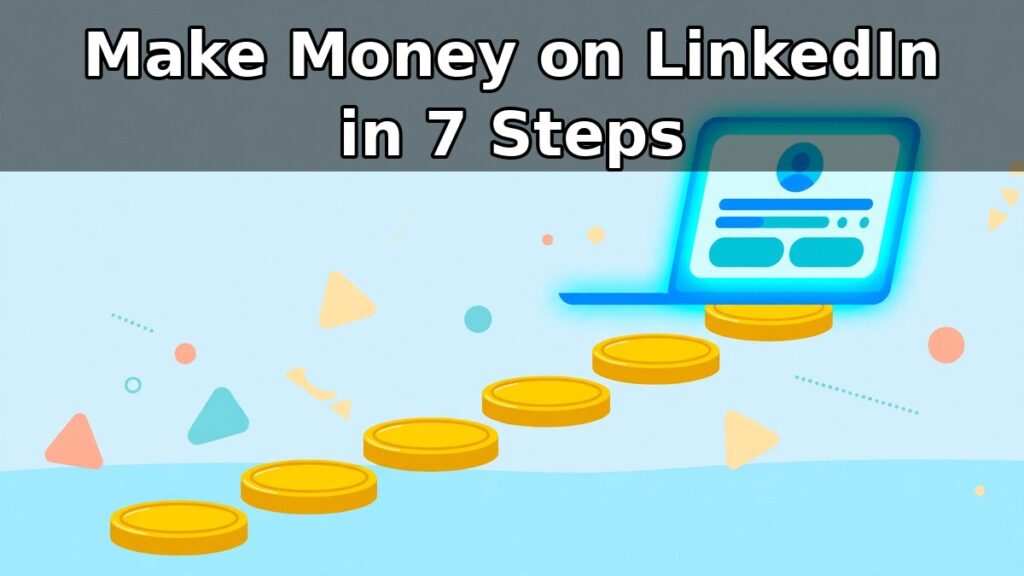
Follow these steps in order. Most beginners fail because they try to sell before anyone trusts them — build trust first, then the money follows.
- Turn your profile into a sales page. Rewrite your headline to say who you help and what result you deliver — not just your job title. Fill in your summary with your story, your skills, and a clear call to action, such as “DM me if you need help with…”. Add your best work to the featured section so visitors see proof immediately.
- Post 2–3 times a week in your niche. Short, useful posts work best on LinkedIn — one idea per post, written in plain language. Mix formats: quick tips, honest lessons from your work, short stories, and one longer post per week that teaches something properly.
- Comment on bigger accounts every day. This is the fastest free growth method on LinkedIn. Leave 5–10 thoughtful comments a day on posts in your niche — real comments that add something, not “great post”. Their audiences will notice you, and LinkedIn’s algorithm rewards comments that start conversations.
- Grow to 1,000 relevant connections. Send connection requests to people in your niche with a short personal note, not a sales pitch. A network of 1,000 people who work in your field is worth far more than 10,000 random connections.
- Offer a free sample of your work. Post a free template, a checklist, or a short audit offer. People who take the free sample and like it are your warmest future clients — and many will ask what you charge for the full version.
- Start the conversation in direct messages. When someone likes or comments on your posts regularly, send them a friendly message. Ask about their work, offer a useful tip, and only mention your service when it genuinely fits. Most LinkedIn deals start with a simple conversation, not a cold pitch.
- Add a second income stream. Once clients are coming in, add a digital product, a paid newsletter, or affiliate links to tools you genuinely use. Our guide to selling digital products as a beginner (https://asmatmagzine.site/sell-digital-products-beginners-roadmap-2026/) explains how to build and sell one — and LinkedIn is the perfect place to promote it to people who can afford it.
How Much Money Can You Make on LinkedIn?
Earnings on LinkedIn vary more than on any other platform, because most of the money comes from clients and jobs, not from the platform itself. These are realistic ranges for 2026:
| Profile size | Typical freelance income | Brand deals / creator income | Job or salary impact |
|---|---|---|---|
| 500–2,000 connections | $200–$1,000 / month | Rare | Recruiter messages, better interviews |
| 2,000–10,000 connections | $1,000–$3,000 / month | $200–$1,000 per post | Stronger offers, faster hiring |
| 10,000–50,000 connections | $3,000–$8,000 / month | $1,000–$5,000 per post | Premium roles, consulting invites |
| 50,000+ connections | $8,000+ / month | $5,000+ per post | Speaking, advisory, book deals |
Most creators earn modest amounts from LinkedIn directly and much more from what their audience buys elsewhere — a freelance contract, a consulting project, or a digital product. Think of LinkedIn as the top of your funnel: the platform that finds you customers for everything else you sell. One freelance client found through LinkedIn can be worth more than a year of ad revenue on another platform, so keep your services visible in your headline and featured section. Our guide to starting freelancing with no experience (https://asmatmagzine.site/how-to-start-freelancing-with-no-experience/) covers how to turn attention into paying clients. In short, the best way to make money on LinkedIn is to treat it as a client-finding machine, not a lottery ticket.
Grow Faster: What Actually Works on LinkedIn in 2026
- Post when your audience is at work. For a US/UK audience, weekday mornings and lunch hours (Eastern Time) usually perform best. Test a few times and check your analytics.
- Write hooks, not headlines. The first two lines of your post decide whether anyone clicks “see more”. Start with a surprising fact, a bold claim, or a question — never with “In this post I will explain…”
- Use personal stories, not lectures. Posts that share a real lesson from your own work get far more engagement than generic advice. People connect with people, not textbooks.
- Engage back. Reply to everyone who comments on your posts, especially in the first hour. Early replies push your post to more people.
- Repost your winners. A post that did well three months ago will do well again — most of your connections never saw it the first time.
- Avoid engagement bait. Posts that beg for likes or use misleading claims get punished by the algorithm and damage trust. Earn engagement with useful content, not tricks.
- Stay consistent for 90 days. The fastest way to make money on LinkedIn is to post useful content every week for three months — most people quit before the results arrive.
Common Mistakes Beginners Make on LinkedIn
- Treating LinkedIn like a resume, not a conversation. A profile that only lists job titles attracts no one. A profile that shares ideas and helps people attracts clients.
- Only posting, never commenting. Comments are where growth happens on LinkedIn. If you only broadcast, your account grows slowly — if you join conversations, it grows fast.
- Pitching in the first message. Sending a sales pitch to a new connection is the fastest way to get ignored or blocked. Build a relationship first, sell second.
- Posting about everything. A profile that posts about marketing, cooking, crypto, and politics in the same week is a profile nobody follows. One niche, consistently.
- Buying connections. Fake connections destroy your engagement rate, and LinkedIn can restrict your account. A thousand real connections beat ten thousand fake ones.
- Giving up after a month. Most profiles take 3–6 months of steady posting before opportunities compound. The people earning real money on LinkedIn are the ones who posted through the quiet months.
- Expecting overnight income. Learning how to make money on LinkedIn takes time — most beginners land their first client after two or three months of steady posting, not in the first week.
Make Money on LinkedIn Q&A
- Can you make money on LinkedIn with a small network? Yes — LinkedIn is the one platform where a small network can earn sooner than a big one, because a single client from 500 relevant connections can pay $500 or more. Small accounts earn through freelance work and services long before they earn from creator programs.
- How many connections do you need to make money on LinkedIn? There is no minimum. You can land your first client with a few hundred connections if they are the right people in your niche. What matters is relevance and trust, not the raw number.
- Does LinkedIn pay creators directly? LinkedIn runs creator programs and brand partnerships for selected creators, but most income on LinkedIn comes from clients, jobs, and businesses you find through the platform — not from LinkedIn itself. Treat the platform as your shop window, not your employer.
- Is LinkedIn Premium worth it for making money? It can help — Premium gives you InMail credits to message people outside your network and shows you who viewed your profile. But it is not required to earn. Start free, and upgrade only when you have a clear use for the extra features.
- Can you make money on LinkedIn without much experience? Yes. Many beginners earn by offering simple services — virtual assistance, social media help, basic design, or research — while they learn. Our guide to making money as a virtual assistant in 2026 (https://asmatmagzine.site/how-to-make-money-as-a-virtual-assistant-2026/) explains how to start with skills you already have.
Keep Reading
- How to Make Money on X (Twitter) in 2026: A Beginner’s Guide to Earning From Posts and Subscriptions — https://asmatmagzine.site/how-to-make-money-on-x-twitter-2026/
- How to Make Money on TikTok in 2026: A Beginner’s Guide to Earning From Short Videos — https://asmatmagzine.site/how-to-make-money-on-tiktok-2026/
- How to Make Money on Instagram in 2026: A Beginner’s Guide to Earning From Reels and Posts — https://asmatmagzine.site/how-to-make-money-on-instagram-2026/
- How to Make Money on Facebook in 2026: A Beginner’s Guide to Earning From Pages, Groups and Reels — https://asmatmagzine.site/how-to-make-money-on-facebook-2026/
- How to Start Freelancing With No Experience (Step-by-Step 2026 Guide) — https://asmatmagzine.site/how-to-start-freelancing-with-no-experience/
- Sell Digital Products: A Beginner’s Roadmap (2026 Guide) — https://asmatmagzine.site/sell-digital-products-beginners-roadmap-2026/
This article is for educational purposes only and is not financial advice. Income from LinkedIn varies widely and is not guaranteed — results depend on your skills, network, niche, and effort. LinkedIn’s creator programs, features, and policies change over time, so always check LinkedIn’s official help pages (https://www.linkedin.com/help/linkedin) before applying or making decisions.