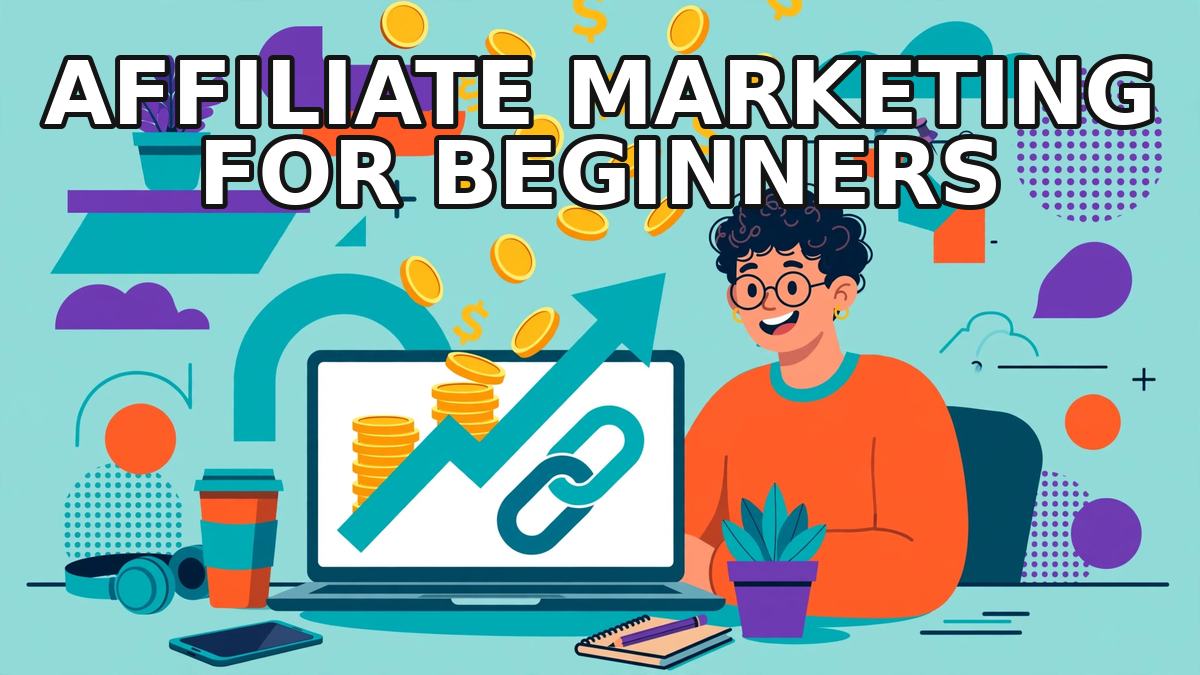
Affiliate marketing for beginners sounds complicated, but the idea is simple: you recommend a product you trust, someone buys it through your special link, and the company pays you a commission. No inventory, no shipping, and no customer service to handle. That is why affiliate marketing for beginners is one of the most popular ways to earn money online in 2026.
The honest part comes first. This is not instant money. Most beginners earn their first commission after weeks of publishing helpful content, and real income takes months. But the content you create today can keep earning while you sleep. This guide explains how it works and how to get your first sale without spamming links everywhere.
How Affiliate Marketing for Beginners Actually Works
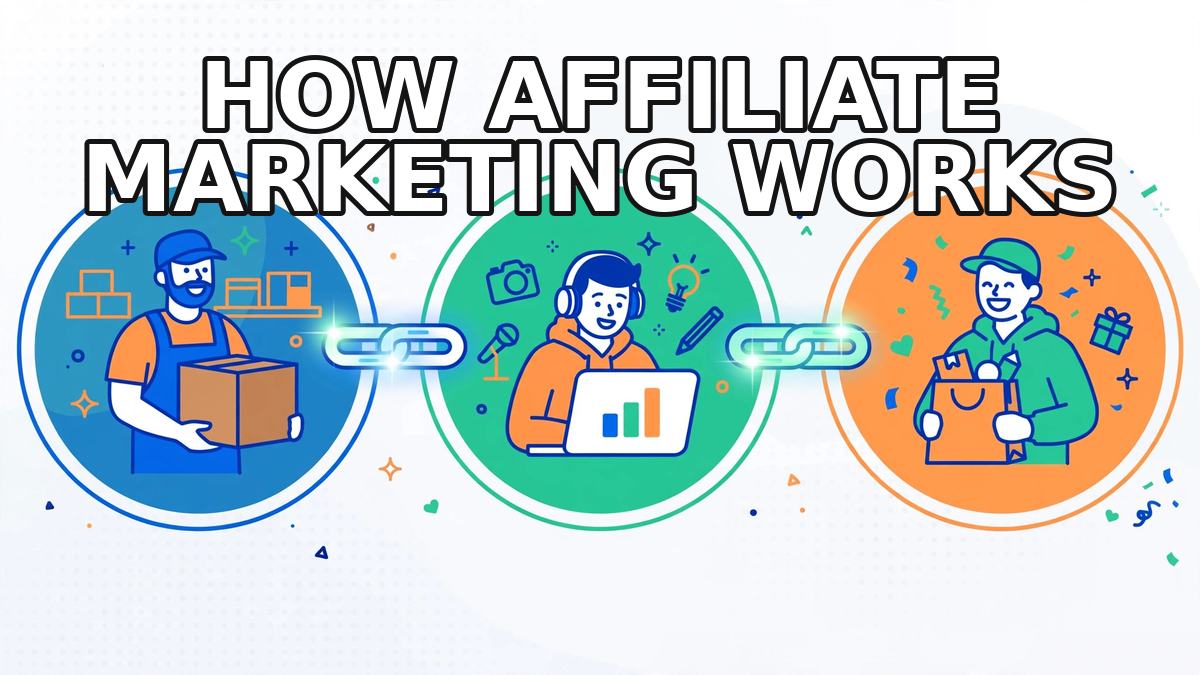
Every affiliate sale follows the same four steps:
- You join an affiliate program. A company gives you a free account and a unique tracking link, often called a referral or affiliate link.
- You create helpful content. You write a review, tutorial, comparison, or guide around a problem your audience actually has.
- A reader clicks your link. A cookie tracks that the visitor came from you. Cookie windows vary — some last 24 hours, others 30, 60, or even 90 days.
- You earn a commission when they buy. If the reader purchases inside that window, the company pays you a percentage of the sale or a flat fee.
Commission rates vary hugely. Physical products on large marketplaces often pay 3–5%. Digital products, software, and online courses can pay 30–50%, and some finance or hosting offers pay $50–$200 for a single signup. That is why choosing the right niche and products matters more than chasing raw traffic.
You also need to disclose affiliate links clearly. In the US, the Federal Trade Commission requires honest disclosure — see the FTC’s guidance at ftc.gov. A simple line like “This post contains affiliate links. If you buy through them, I may earn a commission at no extra cost to you” keeps you legal and builds trust.
Choosing a Profitable Affiliate Niche
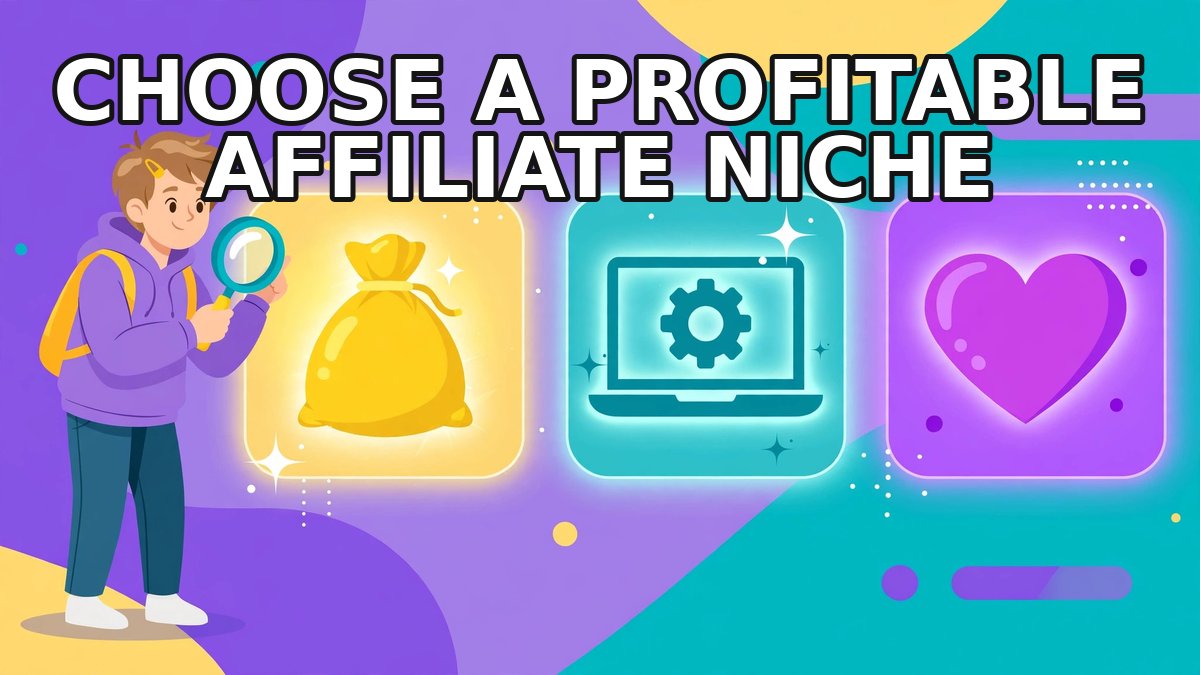
Your niche is the topic you will create content about for months, so pick it carefully. Use these three tests:
- People spend money in it. Finance, software, home improvement, health, and online business all have buyers and advertisers. If nobody buys anything, commissions stay at zero no matter how much traffic you get.
- You know it — or you are willing to learn it deeply. You do not need to be an expert on day one, but you must be able to test products, compare options honestly, and answer basic questions.
- It is specific enough to compete. “Make money online” is too broad. “Freelancing tools for beginner designers” or “budgeting apps for couples” is specific enough for a new site to rank.
Good beginner niches in 2026 include personal finance tools, side hustle software, work-from-home gear, budget travel, pet products, and home organization. If you already have a blog, start there — learning how to start a blog and make money is the natural foundation for affiliate income. If you prefer faster income while you build, combine this with legit side hustles with no money so you earn something in the first month too.
Best Affiliate Programs for Beginners in 2026
Start with programs that accept new affiliates, pay reliably, and match your niche:
- Amazon Associates. Easiest approval and almost every product imaginable, but low rates (3–5%) and a short 24-hour cookie. Good for learning, not for getting rich.
- Software and SaaS programs. Website tools, email software, design tools, and hosting often pay 30%+ recurring commissions — one referral can pay you every month for years.
- Finance programs. Budgeting apps, investing platforms, and credit tools can pay high flat fees per signup, but they have stricter approval and compliance rules.
- Digital product marketplaces. Courses and ebooks often pay 30–50% because there is no shipping cost.
- Network programs. Affiliate networks group hundreds of brands in one dashboard, so you can join many programs with one account and one payout.
Do not join 20 programs at once. Pick two or three that fit your niche, learn their rules, and focus on products you have actually used or carefully researched. Recommending a poor product for a high commission will destroy trust — and trust is the entire business.
How to Earn Your First Commission: 7 Steps
Step 1: Pick one niche and one audience
Write it in one sentence: “I help [audience] solve [problem].” Every article, video, and product you promote should fit that sentence.
Step 2: Join two or three affiliate programs
Apply, read the terms (some ban paid ads or certain keywords), and save your links in a simple spreadsheet so you never lose track of them.
Step 3: Create comparison and tutorial content first
Beginners earn fastest from content people read when they are ready to buy: “X vs Y” comparisons, “best tools for…” lists, honest reviews, and step-by-step tutorials showing the product in action. A tutorial that solves a real problem will outsell a sales pitch every time.
Step 4: Place links naturally
Put your affiliate link where it helps the reader: after you explain a benefit, inside a comparison table, and in a clear call to action at the end. Use your normal voice — explain why you would choose it, who it is not for, and what it costs.
Step 5: Disclose and be honest
Add your disclosure near the top of the page. Mention downsides as well as benefits. Readers can smell a fake review instantly, and Google rewards content that reads like real experience.
Step 6: Drive targeted traffic
Publish for search first: target long-tail phrases like “best budgeting app for couples” instead of “budgeting app.” Share each piece on one or two social channels and in relevant communities where you genuinely help people. If you already start freelancing with no experience, your clients and audience are often your first readers.
Step 7: Track, improve, and repeat
Check which pages get clicks and which links convert. Update your top five pages every few months with fresh prices, screenshots, and answers to new questions. Double down on what sells; drop products nobody wants.
A realistic timeline: weeks 1–4, setup and your first 5–10 pieces of content; months 2–3, first clicks and possibly a first commission; months 4–6, steady growth if you publish weekly. That slow start is normal — those who quit at month two never see the compounding part.
Affiliate Marketing Mistakes Beginners Must Avoid
- Promoting everything. Twenty unrelated products makes you look like a billboard, not a trusted guide. Promote fewer products, and know them well.
- Copying product descriptions. Pasted sales copy does not rank on Google and does not convince anyone. Write in your own words, from real use or careful research.
- Hiding affiliate links. No disclosure breaks FTC rules, can get you removed from programs, and loses reader trust the moment someone notices.
- Chasing only high commissions. A $200 commission on a product nobody needs earns less than a $10 commission on something your audience buys every week.
- Spamming links in comments and groups. This gets accounts banned and earns almost nothing. Helpful content in places you own — a blog, channel, or email list — is the durable path.
- Giving up before data arrives. One article rarely does it. Thirty focused articles in one niche is a fair test; five scattered posts is not.
- Ignoring email. Social platforms change their algorithms overnight. An email list of buyers who trust you is the most valuable asset an affiliate can build.
Affiliate Marketing for Beginners: Quick Q&A
Q: How much can beginners earn from affiliate marketing?
Most beginners earn $0 in the first month, then $10–$100/month once content starts ranking. Established affiliates in good niches earn $500–$5,000+/month, but that usually takes 12+ months of consistent work.
Q: Do I need a website to start affiliate marketing?
No — you can start on YouTube, TikTok, or Instagram. A website you own is still the safest long-term base because no algorithm change can take it away.
Q: Is affiliate marketing free to start?
Joining programs is free. Your only real costs are optional: a domain and hosting (about $40–$80/year) if you build a blog.
Q: How long until I get my first commission?
With weekly publishing, many beginners see a first commission in 1–3 months. It depends on your niche, content quality, and how buying-ready your traffic is.
Q: Is affiliate marketing legit or a scam?
It is a normal, legal business model used by major brands worldwide. Scams are the “get rich overnight” courses selling the dream — the work itself is simply recommending products for a commission.
Keep Reading
- How to Start a Blog and Make Money (2026 Guide)
- 15 Legit Side Hustles With No Money (2026 Guide)
- How to Start Freelancing With No Experience (Step-by-Step 2026 Guide)
- How to Create a Budget That Actually Works (The 50/30/20 Rule Explained)
This article is for educational purposes only and is not financial advice. Do your own research and consider speaking with a qualified professional before making financial decisions.