
Learning how to start a blog and make money is one of the most realistic online income paths a beginner can take in 2026. Unlike freelance work, where you trade hours for dollars, a blog is an asset: every article you publish can keep attracting readers — and revenue — for years while you sleep.
The honest truth up front: blogging is slow. Most new blogs earn almost nothing for the first 3–6 months. But the bloggers who treat it like a real business, publish consistently, and pick a niche people actually spend money in can build a serious income stream. This guide gives you the full beginner roadmap for how to start a blog and make money.
How Bloggers Actually Make Money
Before you learn how to start a blog and make money, you need to understand where the money comes from. Most successful bloggers combine two or three of these revenue streams:
- Display ads (AdSense, Mediavine, Raptive). Networks place ads on your pages and pay per thousand views. A finance blog can earn $20–$50+ per 1,000 pageviews; a lifestyle blog earns far less.
- Affiliate marketing. Recommend products and earn a commission when readers buy through your link. Software, hosting, and finance products pay best — sometimes $50–$200 per signup.
- Digital products. Ebooks, templates, or mini-courses you create once and sell forever. The highest-margin income a blogger can have.
- Sponsored posts. Brands pay you to write about their product — usually once you pass 10,000+ monthly visitors.
- Services. Many bloggers sell freelance services (writing, consulting, design) to readers who trust them — a natural bridge if you already freelance.
- Memberships and selling the blog. Paid newsletters for loyal readers; and established blogs sell for 30–40x their monthly profit — a blog earning $500/month can sell for $15,000–$20,000.
Choosing a Profitable Blog Niche
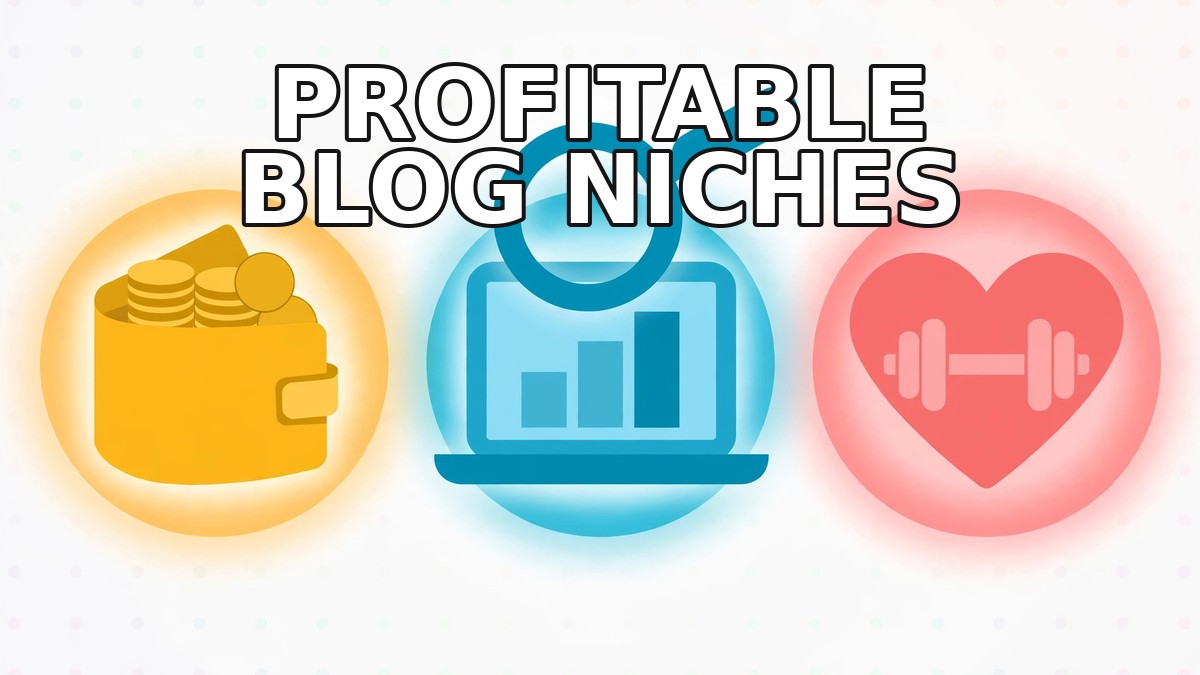
When you learn how to start a blog and make money, your niche decides your earning ceiling. A blog about personal finance earns far more per visitor than a blog about celebrity gossip, because advertisers pay more to reach people thinking about money.
The three rules of a good niche
- It has spending behind it. Readers must buy things: finance products, software, courses, tools. Finance, business, health, and tech have high advertiser demand.
- You can write about it for a year without quitting. You will publish 50+ articles before seeing real money. If the topic bores you, you will stop at article 12.
- It is specific enough to rank. “Finance” is too broad for a beginner; “budgeting for single parents” is winnable.
Beginner-friendly ideas for 2026: personal finance, make money online (side hustles, freelancing, Fiverr), work-from-home careers, budget travel, and frugal living.
Validate your niche: search Google for 5–10 article ideas in it. If small, independent blogs appear on page one, you can compete. If only giant sites rank, narrow the niche further.
How to Start a Blog and Make Money in 7 Steps
Setup is the part beginners overthink — you can do all of this in one afternoon.
Step 1: Pick a domain name
Choose something short, brandable, and easy to spell — a .com is safest. Hint at your topic without locking yourself in: “SmartMoneyPath.com” beats “BudgetTipsFor2026.com”.
Step 2: Get hosting
Shared hosting from a reputable provider costs $3–$8/month and usually includes a free domain for the first year. Pick a host with one-click WordPress installation and free SSL.
Step 3: Install WordPress
Use the host’s one-click installer for the self-hosted software at wordpress.org — not WordPress.com’s free plan. Self-hosted gives you full control: your own ads, your own affiliate links, no platform limits on monetization.
Step 4: Pick a lightweight theme
A fast, clean theme matters more than a pretty one. Free themes like GeneratePress or Astra load quickly and look professional. Speed affects both Google rankings and reader patience.
Step 5: Install only the essential plugins
An SEO plugin (Rank Math or Yoast), a caching plugin for speed, a backup plugin, and a contact form plugin. That is it — every extra plugin slows your site and adds security risk.
Step 6: Create the required pages
Set up About, Contact, and Privacy Policy pages before publishing articles. Ad networks and Google both look for them, and readers trust blogs that show a real person behind them.
Step 7: Set up Google Search Console
Submit your site to Google Search Console (free) with your sitemap — do it on day one, since indexing takes time.
Total realistic startup cost: $40–$80 for the first year (domain + hosting). Everything else has excellent free options.
Writing Content That Ranks on Google
If you’re learning how to start a blog and make money, content is the entire business. Google sends free traffic to articles that answer searchers’ questions better than anyone else:
- Target long-tail keywords. “How to save money on groceries as a student” is winnable; “how to save money” is not. Use Google autocomplete and “People also ask” boxes to find real questions people type.
- Write 1,200–2,000 words per article. Thin 400-word posts rarely rank in 2026. Cover the topic: definitions, steps, examples, and an FAQ.
- Match search intent. If the top results are step-by-step guides, write one — not an opinion piece.
- Use clear headings and short paragraphs. Most readers skim. Subheadings, bullet lists, and bolded key points keep them on the page — and time-on-page helps rankings.
- Publish consistently. One quality article per week beats five rushed ones. Google rewards sites that publish steadily over months, not bursts.
Aim for 30 solid articles before judging results — roughly 6 months at one post per week. That is why most people quit too early, and why those who persist win.
Getting Traffic in Your First 90 Days
Google traffic compounds slowly, so smart beginners learning how to start a blog and make money get readers from day one through other channels:
- Pinterest. Still the best free traffic source for new blogs in niches like finance, home, and lifestyle. Create a pin for every article.
- Niche communities. Answer questions on Reddit and Quora genuinely, linking your article only when it truly answers the question.
- Guest posting. Write for an established blog in your niche with a link back to yours — traffic plus the backlinks Google uses to judge authority.
- Email list from day one. Add a simple signup form offering a free checklist. Your email list is the only traffic source you fully own.
Expect this timeline: months 1–3, under 1,000 monthly visitors; months 4–6, 1,000–5,000 as articles start ranking; months 7–12, the compounding phase where old posts climb and new posts rank faster.
Blogging Mistakes Beginners Must Avoid
If you want to learn how to start a blog and make money, avoid these seven beginner mistakes:
- Choosing a niche with no money in it. Passion alone does not pay hosting bills. If nobody advertises or buys in your niche, monetization will always struggle.
- Writing about everything. A blog covering finance, recipes, travel, and parenting confuses both Google and readers. One niche, one audience.
- Publishing 5 posts and quitting. Blogging is a 12-month game minimum. Almost everyone who “tried blogging and it didn’t work” published fewer than 15 articles.
- Ignoring SEO basics. Writing without keyword research is like opening a shop in the desert. Learn titles, headings, and meta descriptions from the start.
- Copying other bloggers’ content. Google detects duplicate content, and ad networks reject sites with unoriginal articles. Write everything in your own words.
- Monetizing too early. Ads on a 10-visitor blog earn pennies and slow your site. Build traffic first — ad networks want 10,000+ monthly sessions.
- Never building an email list. Social algorithms change overnight. Own your audience.
Starting a Blog: Quick Q&A
How much does it cost to start a blog in 2026?
About $40–$80 for the first year (domain + hosting). WordPress, themes, and essential plugins all have free versions good enough to start.
How long until a blog makes money?
Realistically 6–12 months of consistent publishing. Most bloggers earn their first dollars around month 4–6, with ad income following as traffic grows.
Can you start a blog for free?
Technically yes, but you can’t run your own ads — and you don’t own the platform. Self-hosted WordPress is worth the cost.
Is blogging too saturated in 2026?
Broad topics are saturated; specific ones are not. “Budgeting for nurses working night shifts” has an audience waiting. Specificity is the beginner’s only unfair advantage.
Do I need to be an expert to blog about finance?
No — but be honest about your level. Documenting your own journey (“I’m paying off $8,000 of debt — here’s my plan”) is more trustworthy than pretending to be a guru. Always include a disclaimer that you are not a financial advisor.
Keep Reading
- 15 Legit Side Hustles With No Money (2026 Guide)
- How to Start Freelancing With No Experience (Step-by-Step 2026 Guide)
- Print on Demand for Beginners: Complete 2026 Guide
- How to Create a Budget That Actually Works (The 50/30/20 Rule Explained)
This article is for educational purposes only and is not financial advice. Do your own research and consider speaking with a qualified professional before making financial decisions.