
A first credit card for beginners feels like free money — until the first statement arrives with interest charges you never expected. Used well, a credit card is one of the best tools for building credit and earning rewards. Used carelessly, it is the fastest way to end up in debt that takes years to clear. This guide explains exactly how credit cards work in plain English, the seven rules that keep you debt-free, and the mistakes that trap most first-time cardholders. If you are new to credit cards for beginners, this 2026 guide will show you how to use a credit card without falling into debt.
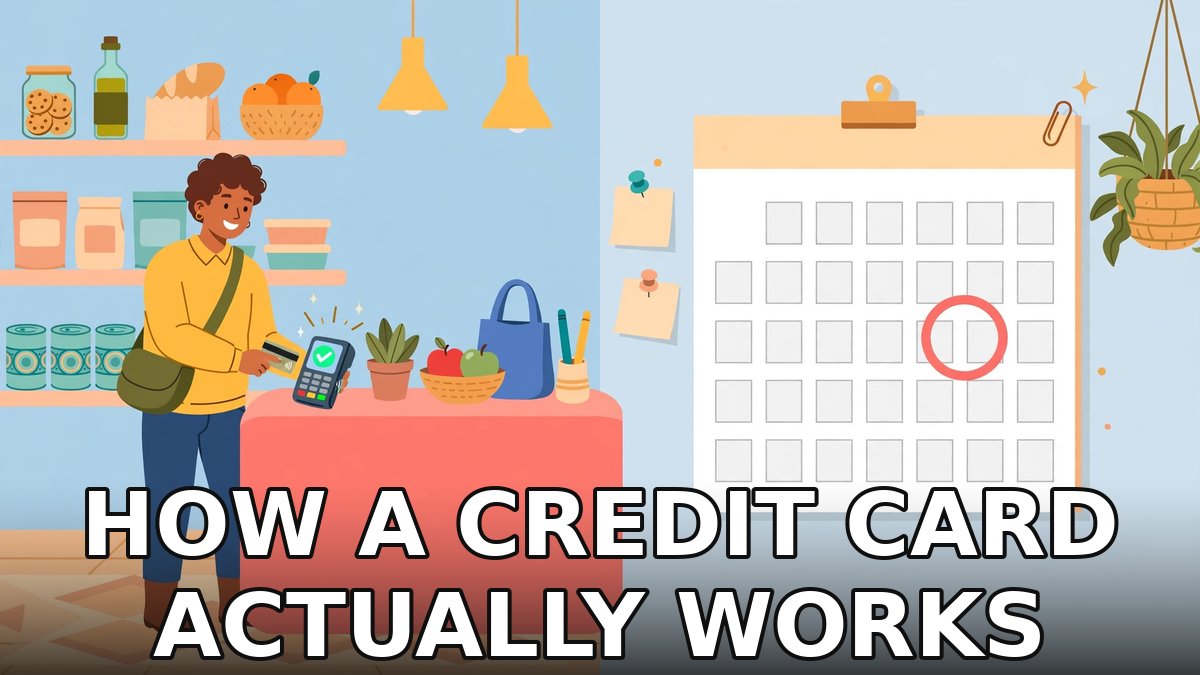
How a Credit Card Actually Works
A credit card is not your money. Every time you swipe, the bank lends you money, and you promise to pay it back. Four pieces of the system matter:
- Credit limit: the maximum you can borrow at once. A beginner card often starts at $300–$1,000.
- Billing cycle: usually about a month long. Everything you spend in that cycle appears on one statement.
- Statement balance: the total you owe at the end of the cycle.
- Due date: roughly 21–25 days after the statement closes. Pay the full statement balance by this date and you pay zero interest, thanks to the grace period.
Here is the key insight most beginners miss: if you pay the full statement balance every month, a credit card costs you nothing and builds your credit history. Interest only appears when you carry a balance past the due date. That single habit — pay in full, every month — is what separates people who benefit from cards from people who get buried by them. This grace period is one of the most valuable features of credit cards for beginners.
The Real Cost of Carrying a Balance
Credit card interest rates (APRs) are high — typically 20–29% for beginner cards in 2026. Here is what that actually costs on a $1,000 balance if you only pay the minimum:
| Scenario | Monthly payment | Time to pay off | Total interest paid |
|---|---|---|---|
| Pay only the minimum (~2%) | ~$25, shrinking | ~9 years | ~$1,100+ |
| Pay a fixed $100/month | $100 | ~11 months | ~$115 |
| Pay the full balance | $1,000 | 0 months | $0 |
That minimum-payment trap is how a $1,000 purchase quietly becomes a $2,100 purchase. The minimum payment is designed to keep you in debt as long as possible, not to help you escape it. If you ever carry a balance, pay far more than the minimum — and treat getting back to zero as your top financial priority, ahead of almost everything except your emergency fund.
7 Rules to Use a Credit Card Without Debt
Rule 1: Never spend money you do not already have
Treat the card like a debit card with a delay. If the money is not sitting in your checking account right now, do not charge it. This one rule alone prevents nearly all credit card debt. This is a core habit for credit cards for beginners.
Rule 2: Pay the full statement balance, every month
Set up autopay for the full statement balance, not the minimum. Then check each statement once — autopay handles the habit, and your eyes catch fraud or billing errors. Autopay is a safety net for credit cards for beginners.
Rule 3: Keep your usage under 30% of your limit
If your limit is $1,000, try to keep the statement balance under $300. This “credit utilization” ratio is a big factor in your credit score, and it is also a built-in spending guardrail. If you need a higher limit for a big purchase, pay part of the balance mid-month before the statement closes.
Rule 4: One card is enough to start
Beginners do not need five cards. One card, used regularly and paid in full, builds a strong credit history. Add a second card later only when you have a clear reason — better rewards, or a higher limit for utilization.
Rule 5: Never use a card for a cash advance
Cash advances skip the grace period entirely — interest starts the same day, often at a higher rate, plus a fee of 3–5%. If you need cash urgently, that is a sign your emergency fund needs work, not a reason to use the cash advance feature.
Rule 6: Ignore the “minimum due” number
The minimum is a trap, not a recommendation (see the table above). Your real due amount is always the full statement balance. If money is tight one month, pay as much as you possibly can and make a plan to clear the rest before the next statement.
Rule 7: Check your statement every month
Five minutes a month catches fraudulent charges, double billing, and subscriptions you forgot. Report anything wrong immediately — federal law limits your liability for fraud, but only if you report it promptly. The Consumer Financial Protection Bureau’s credit card guide explains your rights in detail.
Choosing Your First Credit Card: Credit Cards for Beginners
Not all beginner cards are equal. Look for these in order: The right first choice matters for credit cards for beginners.
- No annual fee. Your first card should cost nothing to keep open — you want a long credit history, and a fee gives you a reason to close it.
- A card you can actually get approved for. Secured cards (where you put down a refundable deposit, often $200) approve almost everyone and are the best starting point if you have no credit history at all. Student cards work if you are enrolled in college.
- Simple rewards, not flashy ones. A flat 1.5% cash back beats a confusing rotating-category card. Rewards are a bonus, never a reason to spend more.
- A clear path to upgrade. Good secured cards graduate to unsecured cards after 6–12 months of on-time payments, returning your deposit.
Avoid store cards as your first card: they tend to carry the highest interest rates and the lowest limits, and they tempt you to spend at one store.
5 Credit Card Mistakes Beginners Make
1. Paying only the minimum. As the table above shows, this turns a small balance into years of interest. Always pay the full statement balance.
2. Maxing out the card. A maxed-out card hurts your credit score through high utilization — and leaves zero room for a real emergency. Keep usage under 30%.
3. Closing your oldest card. Length of credit history matters. Even if you stop using your first card, keep it open (use it once every few months for a small purchase) so your history keeps growing. Our guide to building credit from scratch explains why age of accounts counts.
4. Chasing rewards with spending you cannot afford. A $50 cash-back bonus is not worth $500 of debt at 24% interest. If a purchase only makes sense “for the points,” skip it.
5. Ignoring the APR and fees. Read the card’s terms once: the APR, the late fee, the foreign transaction fee. You do not need to memorize them — but you should know whether your card charges 20% or 29%, and whether it has an annual fee at all.
Credit Cards for Beginners and Your Credit Score
Used under the seven rules above, a credit card actively improves your credit score: on-time payments build payment history (the biggest scoring factor), low utilization shows restraint, and a growing account age strengthens your file. That is why a card is worth having even if you barely use it — one small recurring charge (say, a streaming subscription) paid in full each month builds a better score than having no credit history at all. The opposite is also true: missed payments stay on your credit report for seven years, so the autopay habit in Rule 2 is worth setting up the day your card arrives. For credit cards for beginners, on-time payments are the fastest way to build a score.
Credit Cards for Beginners: Quick Q&A
Should I get a credit card if I am bad with money?
A card rewards discipline and punishes impulsiveness. If you regularly overspend, build the habit first: use a budget for three months with a debit card, then add a credit card with a low limit and autopay for the full balance.
Does checking my credit card application hurt my score?
A hard inquiry dips your score a few points temporarily. One application is nothing to worry about; five applications in one month looks desperate to lenders. Apply for one card, then wait.
What happens if I miss a payment?
You get a late fee (often $30–$40), you may lose your grace period, and a payment 30+ days late gets reported to the credit bureaus. If it happens once, call the issuer — many will waive a first late fee — then set up autopay immediately.
Is a secured card worth it?
Yes, for most true beginners. You get your deposit back when the card graduates or you close it in good standing, and the credit history you build is identical to an unsecured card’s.
Can a credit card help me get out of debt?
No — a new card does not fix old debt. If you already carry balances, a balance-transfer card can help only with a strict payoff plan; otherwise it just moves the problem. Our debt snowball vs avalanche guide covers the payoff strategies that actually work.
How many credit cards should a beginner have?
One. Master it for a year — full payments, low utilization, no missed due dates — and then decide whether a second card serves a real purpose.
Keep Reading
- How to Build Credit From Scratch: A Beginner’s US Guide (2026)
- How to Create a Budget That Actually Works (The 50/30/20 Rule Explained)
- Emergency Fund: How Much Do You Really Need in 2026?
- How to Get Out of Debt: Snowball vs Avalanche Method (2026)
- Best Budgeting Apps for Beginners in 2026 (7 Tested Picks)
This article is for educational purposes only and is not financial advice. Interest rates, fees, and credit scoring rules change — do your own research and consider speaking with a qualified professional before making financial decisions.