
If you make things, design things, or collect vintage finds, learning how to sell on Etsy can turn a hobby into real extra income. Etsy is built for handmade, vintage, and craft-supply sellers, and millions of buyers visit it looking for something personal they cannot find in a big-box store. You do not need a business degree or a warehouse to start — but you do need a clear product, honest pricing, and listings buyers can actually find. This guide covers what sells, how to open your shop, how to price for profit, and how to get your first sale.
What Sells Best on Etsy in 2026
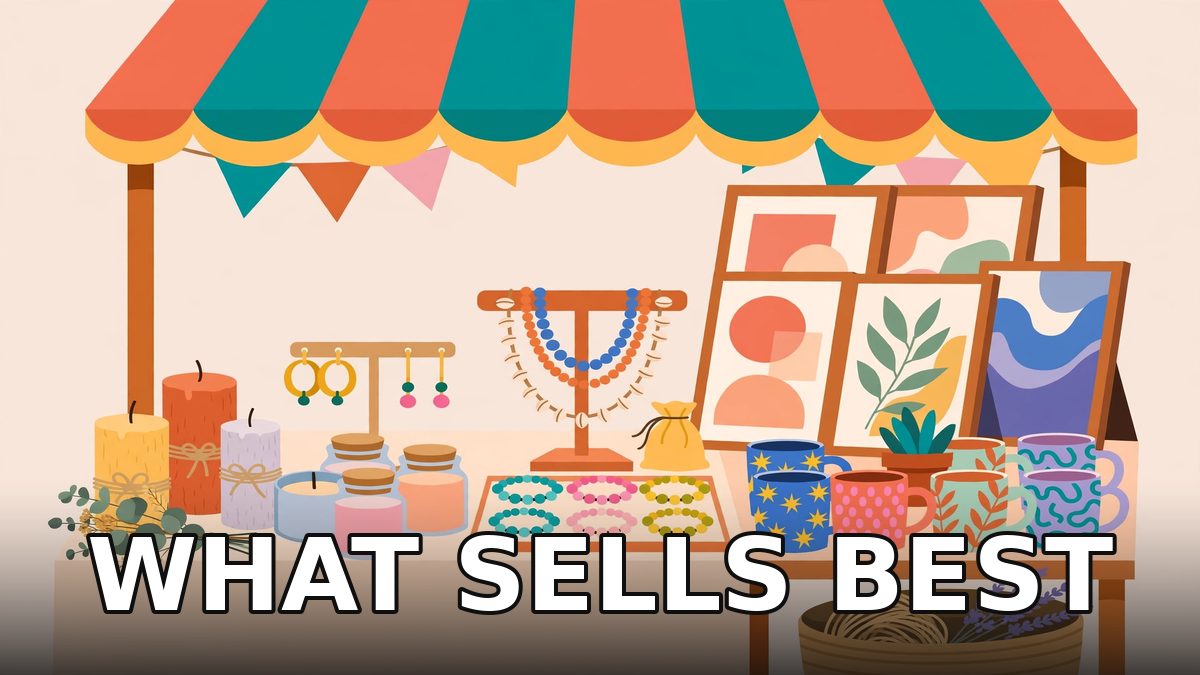
Etsy buyers shop for meaning, not just stuff. The categories that consistently do well for beginners are:
- Personalized gifts. Mugs, ornaments, cutting boards, and jewelry with names, dates, or custom messages. Personalization is hard for mass retailers to copy, which is exactly why buyers pay more for it.
- Home decor and wall art. Printable wall art, candles, throw pillows, and small decor pieces sell year-round, with a big spike before holidays.
- Jewelry and accessories. Earrings, bracelets, and minimalist necklaces are popular because they are light to ship and easy to photograph well.
- Digital downloads. Planners, wedding invitations, resume templates, and printable art cost nothing to ship and can sell again and again. Our guide to selling digital products explains how this model works in more detail.
- Vintage items (20 years or older). Genuine vintage clothing, homeware, and collectibles have a loyal audience — but only list items that truly qualify, or Etsy may remove them.
- Craft supplies. Yarn, beads, fabric, and sticker sheets sell to other makers, and repeat orders are common.
Before you pick a product, check demand the simple way: search Etsy for your idea and look at rival shops, their sales, and buyer reviews. Some competition with happy buyers proves people want it; zero competition is often a warning, not an opportunity.
How to Sell on Etsy: Set Up Your Shop in 7 Steps
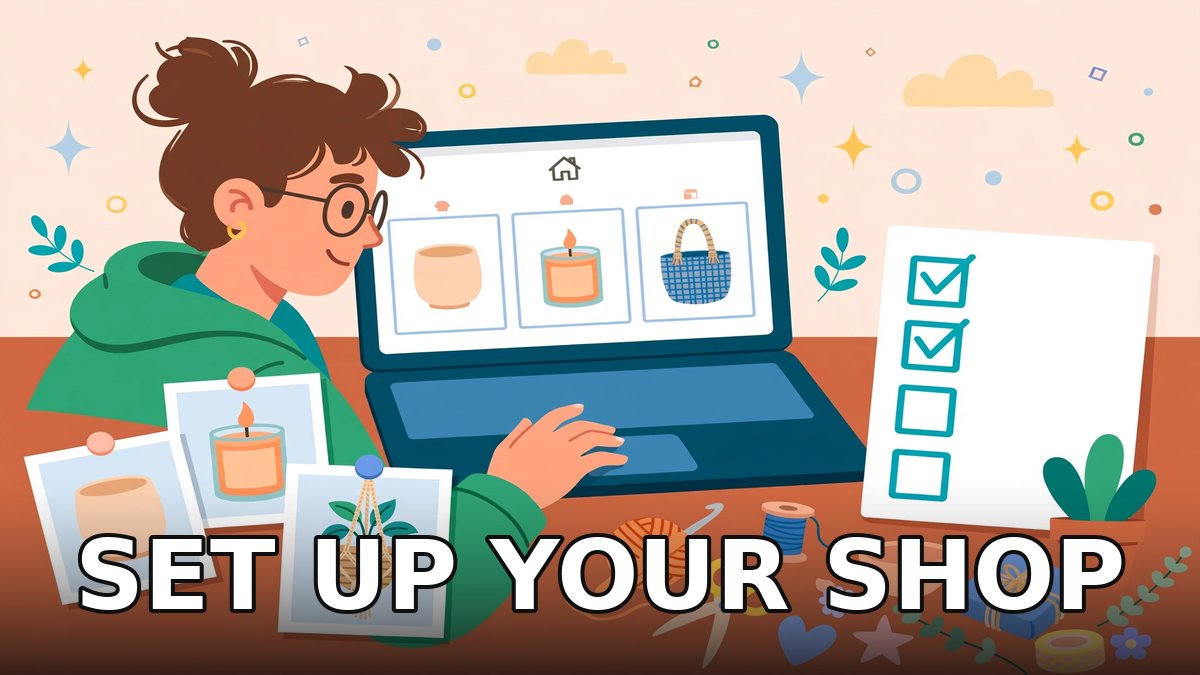
Opening a shop takes about an hour if you prepare first. Here are the steps:
- Create your Etsy account and click “Sell on Etsy.” Use a real email address you check daily, because order notifications and buyer messages go there.
- Choose a shop name. Pick something short, easy to spell, and related to what you sell. Check that it is not already taken on Etsy and, ideally, on Instagram too, so your brand matches everywhere.
- List your first product before you worry about perfection. Etsy requires at least one listing to open a shop. Start with your strongest product — the one you can photograph beautifully and describe confidently.
- Write a title buyers would actually search for. Instead of “Beautiful Blue Mug,” write “Personalized Blue Ceramic Coffee Mug, Custom Name Gift for Her.” Put the most important words first.
- Add 10 clear photos. Show the product alone, in use, next to something for scale, and from different angles. Natural daylight near a window beats a dark flash photo every time, and a simple plain background keeps the focus on the product.
- Fill in every detail Etsy asks for. Materials, sizes, colors, processing time, and shipping options all help buyers decide — and they help Etsy show your listing in search.
- Set your shop policies and payment details. State your processing time honestly, explain returns clearly, and connect a payment method so you can be paid. Then publish — and keep improving listings as you learn what buyers ask about.
Etsy’s own Seller Handbook is the authoritative place to check current fees, policies, and listing rules before you launch, because these change from time to time.
Sell on Etsy and Price Your Products So You Actually Make Money
Pricing is where most beginners lose money. A price that only covers materials ignores your time, Etsy’s fees, and shipping costs — and a shop that loses money on every order cannot survive, no matter how many sales it gets.
Use this simple formula as a starting point:
Materials + labor + fees + packaging and shipping costs + a small profit margin = your price.
Work through it with a real example. If a handmade candle costs $4 in wax and fragrance, takes 30 minutes of your time (value it at, say, $10), and packaging costs $2, your base cost is $16 before fees. Etsy charges a listing fee, a transaction fee, and a payment-processing fee on each sale, so add roughly 10% for fees and aim for at least a 20% margin on top. That puts the candle around $21 to $23 — not $12, which would leave you working for almost nothing after fees.
Three pricing rules will save you headaches:
- Never compete on being the cheapest. Compete on quality, photos, personalization, and service instead.
- Charge properly for shipping or build it into the price. Weigh a packed parcel, check real postage rates, and state the cost honestly — undercharging shipping is a silent profit killer.
- Review prices after your first 10 sales. If everything sells out instantly, your price is too low. If nothing sells, check photos and titles before cutting the price — the problem is usually visibility, not value.
If you are funding first stock from a tight budget, our guide to saving money on a low income shows ways to free up starter money without borrowing.
Get Your First Sale: Photos, Titles and Etsy SEO
Etsy is a search engine as much as a shop — buyers find you through the words in your title, tags, and description:
- Use all 13 tags. Tags are short search phrases like “personalized mug,” “birthday gift for her,” and “custom coffee mug.” Use every slot, and mix broad phrases with specific ones.
- Repeat your main phrase naturally. If your product is a personalized mug, that phrase should appear in the title, the first sentence of the description, and a couple of tags — naturally, not stuffed.
- Write descriptions that answer questions. Materials, size, care instructions, and shipping time — every unanswered question is a buyer who leaves without buying.
- Lead with your best photo. The first image is what buyers see in search results. It should be bright, sharp, and show the product clearly at a glance.
- Share your shop beyond Etsy. A short video of you making the product or a Pinterest pin of your best listing can bring first visitors while search traffic builds. Many sellers also combine a shop with freelance work — see our guide to starting freelancing with no experience.
Do not expect instant sales. Most new shops take a few weeks and several listings before the first order arrives, so keep adding listings — each one is another chance to appear in search.
Avoid These Beginner Mistakes
- Copying another seller’s photos or descriptions. It breaks Etsy’s rules, hurts trust, and can get your shop shut down. Use your own photos and your own words, always.
- Promising faster shipping than you can deliver. One late order with an angry review hurts more than a slightly longer processing time stated honestly.
- Ignoring buyer messages. Fast, friendly replies turn questions into sales and build the reviews that bring the next buyer.
- Selling trademarked designs you do not own. Fan art of famous characters and logos can lead to removed listings or a closed shop, even if other sellers seem to get away with it.
- Quitting after one slow month. Etsy rewards shops that keep listing, improving photos, and learning from buyer questions. Treat the first three months as a learning period, not a verdict.
Selling on Etsy Q&A
How much does it cost to sell on Etsy?
Listing a product costs a small fee, and Etsy takes a transaction fee plus a payment-processing fee when you sell. Check the Seller Handbook for current rates before you price, because fees change and they directly affect your profit.
Do I need a business license to sell on Etsy?
It depends on where you live and what you sell. Many hobby sellers start without one, but tax and business rules vary by country and state, so check your local rules — especially once sales become regular income.
How many listings should a beginner start with?
Start with one excellent listing to open the shop, then aim for 10 to 20 listings in your first month. More listings mean more chances to be found, but quality matters more than rushing out weak ones.
Can I sell on Etsy alongside a full-time job?
Yes — most beginner sellers do. The key is honest processing times: if you can only post orders twice a week, say so in your shop, and buyers will plan around it.
Keep Reading
- Sell Digital Products: A Beginner’s Roadmap (2026 Guide)
- How to Start Freelancing With No Experience (Step-by-Step 2026 Guide)
- 10 Simple Ways to Save Money on a Low Income
- Print on Demand for Beginners: Complete 2026 Guide
This article is for educational purposes only and is not financial advice. Fees, policies, and tax rules vary by provider and location and change over time — do your own research and consider speaking with a qualified professional before making financial decisions.